Veterinary Public Health Program
313 N Figueroa St. Rm 1127
Los Angeles, CA 90012
Tel (213) 288-7060
Fax (213) 481-2375 vet@ph.lacounty.gov
Adobe Reader
Note: PDF documents on this site were created using Adobe Acrobat
5.0 or later. If you are using an earlier version of Adobe Acrobat
Reader (4.x or less), document functionality may be reduced.
Report Dead Birds
You
can help monitor Los Angeles County for
Highly Pathogenic Avian Influenza (HPAI), West
Nile Virus (WNV), and potentially other diseases in
birds. Whenever you see a dead bird,
report it!
Safety First!
Never touch a dead bird with your bare hands. Use
gloves, shovel or cover hands with intact waterproof bag
before handling. If an agency is coming to collect the
bird, put the bird in the bag in an accessible, shady
location. Be sure to wash your hands after. Do not bring dead birds indoors.
Reporting dead birds
Individual dead birds.
Freshly dead individual birds might
potentially be collected for HPAI or WNV
testing
Avian Influenza
Testing:
Dead
waterfowl
(like
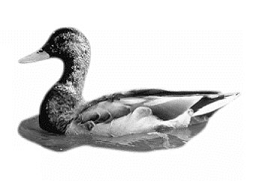
ducks
and
geese),
shorebirds
(like
gulls),
poultry,
large
birds
that die
may
be
tested
for
Avian
Influenza.
Report
the bird
to your
animal
control
agency.
They
might be
able to
collect
and hold
it for
testing.
West Nile Virus
Testing:
Dead
crows
and
ravens
may be
tested
for West
Nile
Virus.
Contact
the
California
WNV Dead
Bird
Hotline
at
877-WNV-BIRD
or
877-968-2473.
Watch this video from the California Department
of
Public
Health
to learn
how to
collect
a bird
for
testing.
Groups of dead birds
Report
clusters of three
or more dead birds of
any species for possible additional
testing to both your
animal control agencyand to LA
County Veterinary Public Health at
213-288-7060.







 be
tested
for
Avian
Influenza.
Report
the bird
to your
be
tested
for
Avian
Influenza.
Report
the bird
to your